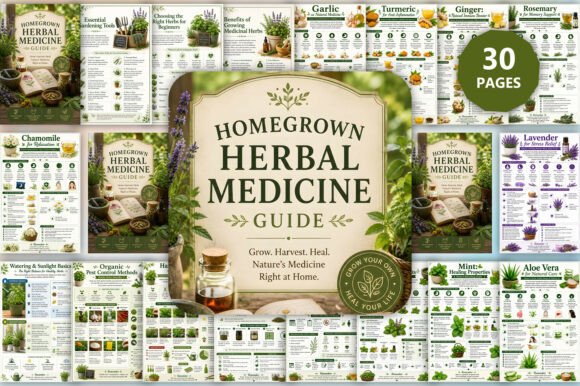
Homegrown Herbal Medicine Guide: A Natural Wellness System for Everyday Living
More people are turning to natural remedies and sustainable living practices as they seek greater control over their health and environment. Homegrown Herbal Medicine Guide is a comprehensive resource that bridges the gap between traditional herbal wisdom and modern lifestyles, offering a practical approach to growing, harvesting, and using medicinal herbs at home. Whether you're a beginner or an experienced gardener, this guide provides everything you need to create your own herbal wellness system.
Why Homegrown Herbal Medicine Guide Stands Out
Homegrown Herbal Medicine Guide isn't just about planting seeds and waiting for them to grow. It's a complete system that helps you integrate herbal medicine into daily life. The guide includes step-by-step instructions on how to start a thriving herb garden, prepare soil, choose the right plants, and maintain them with organic methods. This makes it ideal for anyone looking to build a healthier lifestyle from the ground up.
One of the key features of this guide is its focus on beginner-friendly herbs. From basil and mint to chamomile and echinacea, the guide introduces readers to easy-to-grow plants that offer a wide range of health benefits. These herbs can be used in teas, oils, salves, and other remedies that support digestion, immunity, relaxation, and more.
Common Mistakes and How to Avoid Them
While the Homegrown Herbal Medicine Guide is designed to be user-friendly, there are several common mistakes that beginners often make when starting out. One of the most frequent errors is choosing the wrong herbs for the local climate or growing conditions. For example, some herbs like lavender and rosemary thrive in sunny, dry environments, while others like mint and basil prefer partial shade and consistent moisture.
To avoid this mistake, always check the specific requirements of each plant before planting. Many herbs have different needs in terms of sunlight, water, and soil pH. Using the guide’s indoor and outdoor gardening tips can help ensure that your herbs receive the right amount of care regardless of where you grow them.
Another common mistake is improper harvesting and storage. If you cut herbs too early or store them incorrectly, you may lose their potency and effectiveness. The guide provides detailed instructions on when and how to harvest herbs for optimal results. For instance, many aromatic herbs like rosemary and thyme should be harvested in the morning after dew has evaporated but before the sun gets too hot.
Maximizing Your Herbal Garden with Practical Tips
Creating a successful herbal garden requires more than just planting seeds. It involves understanding the lifecycle of each plant and knowing when to prune, fertilize, and propagate. Homegrown Herbal Medicine Guide walks you through these processes in a clear, easy-to-follow manner.
For those who want to grow herbs indoors, the guide offers valuable insights on using containers, artificial lighting, and hydroponic systems. This makes it possible to enjoy fresh herbs year-round, even in small spaces like apartments or balconies.
Additionally, the guide covers how to make herbal teas, oils, and salves. These remedies can be customized to suit individual needs and preferences. For example, a calming tea made from chamomile and lemon balm can help reduce stress, while a topical salve infused with calendula and lavender can soothe skin irritations.
Choosing the Right Resources and Tools
Before purchasing or downloading Homegrown Herbal Medicine Guide, it’s important to evaluate the content and structure of the material. Look for guides that provide clear, actionable steps rather than vague advice. A good guide should include information on plant selection, soil preparation, watering schedules, and pest control methods.
Also, consider whether the guide includes visuals such as diagrams, photos, or charts to help with identification and proper care of herbs. These elements can greatly enhance the learning experience, especially for visual learners.
It’s also worth checking if the guide is updated regularly to reflect new research and best practices in herbal medicine. This ensures that the information remains accurate and relevant over time.
Embracing a Sustainable Lifestyle with Herbs
Using Homegrown Herbal Medicine Guide is not only beneficial for personal health but also supports a more sustainable way of living. By growing your own herbs, you reduce reliance on commercially produced products, which often come with environmental costs. Additionally, making your own herbal remedies means you can avoid harmful chemicals and preservatives found in many store-bought alternatives.
The guide encourages readers to adopt eco-friendly practices such as composting, using rainwater for irrigation, and recycling containers for planting. These habits contribute to a greener planet while promoting self-sufficiency and resilience.
Final Thoughts
Homegrown Herbal Medicine Guide is more than just a book—it’s a lifestyle change that empowers individuals to take control of their health and well-being. With its practical approach, detailed instructions, and emphasis on sustainability, it’s a valuable resource for anyone interested in natural healing and holistic living. By avoiding common mistakes and following the guidance provided, you can cultivate a thriving herbal garden and enjoy the many benefits of homemade remedies for years to come.