Deep Cleaning Step-by-Step Guide: Transform Your Home with a Thorough Cleaning System
Keeping your home clean is more than just wiping surfaces or vacuuming the floor. A deep cleaning step-by-step guide offers a structured, comprehensive approach to maintaining a hygienic and organized living space. Whether you're preparing for a seasonal cleanup or simply want to improve your home's cleanliness on a regular basis, this guide provides actionable insights that can be applied to every room in your house. Unlike traditional cleaning routines, which often focus on surface-level maintenance, deep cleaning targets hidden dirt, grime, and allergens that accumulate over time. This article explores the practical steps involved in implementing a deep cleaning step-by-step guide, highlighting its benefits, key features, and how it can help you achieve a healthier and more welcoming home environment.
Understanding the Importance of Deep Cleaning
While daily cleaning helps maintain a basic level of hygiene, it doesn't address the buildup of dust, mold, and bacteria that settle in hard-to-reach areas. A deep cleaning step-by-step guide ensures that these elements are thoroughly removed, improving indoor air quality and reducing the risk of health issues such as allergies and respiratory problems. It also helps extend the lifespan of furniture, appliances, and flooring by preventing damage from accumulated dirt and moisture. By following a systematic approach, homeowners can create a more pleasant and functional living space that supports both physical and mental well-being.
Key Benefits of a Structured Deep Cleaning Routine
- Improved Indoor Air Quality: Removing dust, pet dander, and other allergens can significantly reduce airborne irritants.
- Longer Lifespan of Household Items: Regular deep cleaning prevents wear and tear on surfaces, fabrics, and electronics.
- Enhanced Aesthetic Appeal: A clean home looks more inviting and contributes to a sense of order and calm.
- Healthier Living Environment: Eliminating mold, bacteria, and pests reduces the likelihood of illness and discomfort.
Essential Components of a Deep Cleaning Step-by-Step Guide
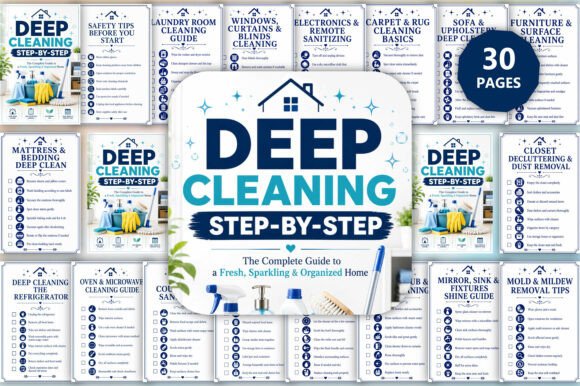
A comprehensive deep cleaning step-by-step guide includes detailed instructions for each area of the home, along with checklists and safety tips to ensure effective and safe cleaning practices. The following sections outline the core components of such a guide, providing an overview of what to expect when implementing a thorough cleaning system.
Room-by-Room Cleaning Strategies
The deep cleaning step-by-step guide typically begins with a room-by-room breakdown, allowing users to tackle one area at a time without feeling overwhelmed. Commonly included rooms are kitchens, bathrooms, bedrooms, living spaces, entryways, and laundry rooms. Each section contains specific tasks tailored to the unique challenges of that space. For example, kitchen cleaning may involve scrubbing grout in the backsplash, while bathroom cleaning might require removing mold from shower tiles.
Cleaning Checklists and Supplies
An essential part of any deep cleaning step-by-step guide is the inclusion of cleaning supply checklists. These lists help users prepare the necessary tools and products before beginning the process. Common items include microfiber cloths, all-purpose cleaners, disinfectants, sponges, vacuum cleaners, and specialized tools for cleaning ovens or carpets. Additionally, the guide may provide safety reminders, such as wearing gloves when handling harsh chemicals or ensuring proper ventilation when using cleaning products.
Deep Cleaning Techniques for Specific Areas
Different areas of the home require different cleaning techniques, and a deep cleaning step-by-step guide should reflect this. Below are some examples of targeted cleaning methods for various parts of the house.
Kitchen Deep Cleaning
The kitchen is one of the most heavily used areas in the home, making it a prime candidate for deep cleaning. A deep cleaning step-by-step guide would include instructions for cleaning the refrigerator, oven, microwave, sink, countertops, cabinets, and pantry. For instance, removing expired food from the fridge and wiping down shelves with a disinfectant solution helps eliminate odors and bacteria. Similarly, cleaning the oven with a commercial oven cleaner or a homemade mixture of baking soda and vinegar can remove stubborn grease and food residue.
Bathroom Sanitizing and Mold Removal
Bathrooms are prone to mold and mildew due to high humidity levels. A deep cleaning step-by-step guide should provide step-by-step guidance for cleaning toilets, showers, mirrors, sinks, and fixtures. Using a bleach-based solution or a commercial mold remover can effectively eliminate mold growth. It's also important to clean grout lines and caulk around the bathtub or shower to prevent future mold buildup. Ensuring proper ventilation, such as using an exhaust fan during and after showers, can help reduce humidity and prevent recurring mold issues.
Bedroom Closet Organization and Mattress Care
The bedroom is a place of rest and relaxation, so keeping it clean and organized is essential. A deep cleaning step-by-step guide would include tips for decluttering the closet, organizing clothing, and cleaning the mattress. Vacuuming the mattress with a HEPA filter vacuum can remove dust mites and allergens, while washing bedding in hot water helps kill bacteria and bedbugs. Decluttering the closet not only improves organization but also makes it easier to find items and maintain cleanliness.
Specialized Cleaning for Furniture and Electronics
Many people overlook the importance of cleaning furniture and electronics, but these items can harbor dust, germs, and debris that affect both appearance and functionality. A deep cleaning step-by-step guide should include detailed instructions for cleaning upholstery, rugs, carpets, and electronic devices.
Furniture and Upholstery Cleaning
Upholstered furniture, such as sofas and armchairs, can accumulate dirt, hair, and spills over time. Using a vacuum cleaner with a brush attachment helps remove surface debris, while spot-cleaning stains with an appropriate cleaner ensures that the fabric remains in good condition. For carpets and rugs, using a steam cleaner or renting a professional-grade carpet cleaner can effectively remove embedded dirt and allergens.
Electronics and High-Touch Surfaces
Electronic devices, including computers, remotes, and smartphones, are frequently touched and can become breeding grounds for germs. A deep cleaning step-by-step guide should emphasize the importance of sanitizing these surfaces regularly. Using a disinfecting wipe or a 70% isopropyl alcohol solution can safely clean screens, buttons, and switches without damaging sensitive components. It's also important to avoid using excessive moisture when cleaning electronics to prevent short circuits or corrosion.
Maintaining Cleanliness Through Daily Habits
While a deep cleaning step-by-step guide provides a comprehensive approach to cleaning, it's equally important to incorporate daily habits that support long-term cleanliness. Simple actions like wiping down surfaces after use, sweeping floors regularly, and taking out the trash can help reduce the need for frequent deep cleaning sessions. Establishing a routine makes it easier to maintain a clean home without feeling overwhelmed.
Creating a Sustainable Cleaning Routine
Sustainability is an important consideration for many homeowners, and a deep cleaning step-by-step guide can include tips for eco-friendly cleaning. Using natural cleaning products, such as vinegar, baking soda, and lemon juice, can reduce the environmental impact of household cleaning. Additionally, reusing cleaning cloths instead of disposable ones helps minimize waste. By combining sustainability with efficiency, homeowners can enjoy a clean home while contributing to a healthier planet.