Wildlife Pollinator Garden Tracker: A Guide to Creating a Thriving Pollinator-Friendly Garden
In today’s fast-paced world, more people are turning to gardening as a way to connect with nature and contribute to environmental conservation. One of the most impactful ways to do this is by creating a pollinator-friendly garden. Pollinators such as bees, butterflies, birds, and bats play a crucial role in maintaining biodiversity and supporting food production. However, many of these species are facing habitat loss and declining populations. This is where the Wildlife Pollinator Garden Tracker comes into play. Designed as an educational and practical tool, it helps gardeners of all experience levels create, maintain, and monitor their pollinator gardens effectively.
What Is the Wildlife Pollinator Garden Tracker?
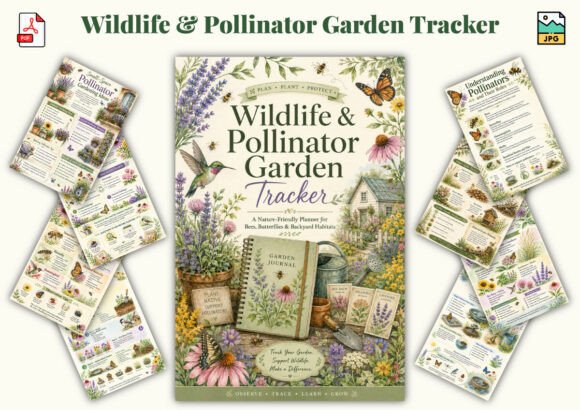
The Wildlife Pollinator Garden Tracker is a comprehensive 34-page workbook that serves as both a guide and a journal for gardeners who want to support pollinators. Whether you're planting a small balcony garden or designing a full backyard sanctuary, this tracker provides the tools needed to plan, observe, and document your efforts throughout the seasons. It features soft watercolor botanical illustrations, making it visually appealing while being functional and easy to use.
This tracker is available in both JPG and PDF formats, ensuring it's accessible for digital or printable use. Its clean, professional layout makes it suitable for both beginners and experienced gardeners, and its content is designed to be engaging for nature lovers, homeschool educators, and anyone interested in supporting wildlife through gardening.
Key Features of the Wildlife Pollinator Garden Tracker
The Wildlife Pollinator Garden Tracker includes a wide range of features tailored to help users engage with their gardens in a meaningful way. Here are some of the key components:
- Pollinator Observation Logs: These pages allow users to record sightings of different pollinators, helping them understand which species are visiting their garden and when.
- Seasonal Bloom Trackers: With these trackers, gardeners can monitor the blooming periods of various plants and ensure they have a continuous supply of nectar and pollen throughout the year.
- Native Plant Planning Pages: Choosing native plants is essential for supporting local pollinators. These pages help users select the best plants for their region and climate.
- Wildlife Reflection Journals: These sections encourage users to reflect on their gardening experiences and how they're contributing to biodiversity.
- Garden Maintenance Checklists: Keeping track of watering, pruning, and pest control is easier with these checklists, which promote consistent care for the garden.
- Butterfly Habitat Worksheets: These worksheets guide users in creating the ideal conditions for attracting and supporting butterflies.
- Bee-Friendly Planting Plans: Specific plans help users choose the best flowers and plants that attract bees and support their health.
- Action Planning Pages: Users can set goals and track progress using these pages, which help keep them motivated and organized.
- Educational Pollinator Information: The tracker includes informative sections about the importance of pollinators, their life cycles, and how human activities affect them.
- End-of-Season Garden Reviews: At the end of each season, users can review their progress and make adjustments for future growth.
Why Use the Wildlife Pollinator Garden Tracker?
Creating a pollinator-friendly garden isn't just about aesthetics—it's about making a positive impact on the environment. The Wildlife Pollinator Garden Tracker makes this process simple and enjoyable. By providing structured planning and observation tools, it helps gardeners stay organized and focused on their goals.
One of the biggest benefits of using this tracker is that it encourages mindfulness and connection with nature. As users observe pollinators and track seasonal changes, they become more aware of the delicate balance of ecosystems and the role they play in preserving them. This awareness can lead to more sustainable gardening practices and a deeper appreciation for the natural world.
Additionally, the tracker is perfect for educational purposes. Homeschool families, teachers, and nature clubs can use it as a hands-on learning resource to teach children about biology, ecology, and environmental stewardship. It turns gardening into an interactive and educational experience that can spark curiosity and lifelong learning.
How to Get Started with the Wildlife Pollinator Garden Tracker
Getting started with the Wildlife Pollinator Garden Tracker is straightforward. Begin by reviewing the educational content included in the workbook to gain a better understanding of pollinators and their needs. Then, use the native plant planning pages to select the best plants for your area. Consider factors such as sunlight, soil type, and local climate to ensure your choices are well-suited to your garden.
Once your garden is planted, start using the pollinator observation logs to record your findings. This not only helps you understand which plants are attracting the most visitors but also allows you to identify any potential issues, such as a lack of diversity in pollinator species. Regularly updating your seasonal bloom tracker will help you maintain a continuous supply of nectar and pollen, which is essential for supporting pollinators throughout the year.
As you continue to use the tracker, take time to reflect on your progress and adjust your strategies as needed. The reflection journals and end-of-season reviews are excellent tools for evaluating your efforts and setting new goals for the future.
The Benefits of Supporting Pollinators Through Gardening
Supporting pollinators through gardening has numerous benefits, both for the environment and for individuals. Pollinators are essential for the reproduction of many plants, including those that provide food for humans. By creating a pollinator-friendly garden, you're directly contributing to food security and ecosystem health.
Moreover, pollinator gardens offer a peaceful and rewarding hobby that can reduce stress and improve mental well-being. Spending time outdoors, observing nature, and nurturing plants can be incredibly therapeutic. For families, these gardens provide opportunities for bonding, education, and exploration.
On a larger scale, community-wide efforts to support pollinators can have a significant impact. When multiple households create pollinator-friendly spaces, it helps restore habitats and supports local wildlife populations. This collective action can lead to healthier ecosystems and a more resilient environment.
Common Misconceptions About Pollinator Gardens
Despite the growing interest in pollinator gardens, there are still some common misconceptions that may prevent people from taking action. One of the most frequent misunderstandings is that pollinator gardens require large spaces. In reality, even small areas like balconies, patios, or window boxes can be transformed into pollinator havens with the right plants and design.
Another misconception is that all flowering plants are beneficial to pollinators. While many flowers are attractive to bees and butterflies, not all provide the same level of nutrition. Native plants are generally the best choice because they have evolved alongside local pollinators and provide the nutrients they need.
Some people also believe that chemical pesticides are necessary for maintaining a healthy garden. However, these chemicals can be harmful to pollinators and other beneficial insects. Instead, gardeners can use natural pest control methods, such as companion planting and organic solutions, to keep their gardens thriving without harming the environment.
Conclusion: Embrace the Power of Pollinator Gardening
The Wildlife Pollinator Garden Tracker is more than just a workbook—it's a powerful tool for fostering biodiversity, promoting sustainability, and connecting with nature. Whether you're a seasoned gardener or just starting out, this tracker provides everything you need to create a thriving pollinator-friendly space. With its combination of educational content, observation tools, and practical planning resources, it's an invaluable asset for anyone passionate about wildlife conservation.
By using the Wildlife Pollinator Garden Tracker, you're not only enhancing your own garden—you're contributing to the health of the planet. So why wait? Start planning your pollinator garden today and make a difference, one flower at a time. 🐝🌸