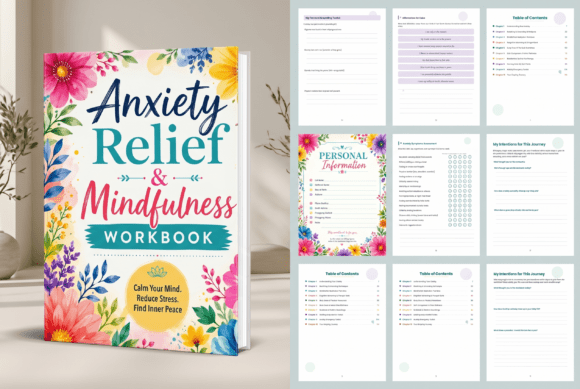
Anxiety Relief Mindfulness Workbook: A Strategic Tool for Emotional Resilience
The Anxiety Relief Mindfulness Workbook is a 120-page structured guide designed to help individuals manage stress, build emotional resilience, and transform their relationship with anxiety. It combines techniques from mindfulness, cognitive behavioral therapy (CBT), and positive psychology to offer practical tools that are both scientifically grounded and personally applicable. This workbook is not just another self-help resource—it's a strategic companion for anyone looking to reclaim control over their mental well-being in a consistent, evidence-based way.
Understanding the Philosophy Behind the Workbook
The core philosophy of the Anxiety Relief Mindfulness Workbook is rooted in the understanding that anxiety is a natural biological response to perceived threats. However, it does not have to dictate one’s life or limit personal growth. The workbook encourages a daily practice of 15–30 minutes, which can be easily integrated into even the busiest schedules. This time investment is strategically designed to rewire the brain, shifting the default state from chronic stress to calm and clarity.
For professionals such as entrepreneurs, marketers, educators, and small business owners, this shift is not just beneficial—it’s essential. Anxiety can interfere with decision-making, creativity, and productivity. By building a consistent mindfulness routine, individuals can enhance their focus, improve communication, and maintain a more balanced approach to work and life.
Key Features That Make This Workbook Unique
The Anxiety Relief Mindfulness Workbook stands out due to its structured learning approach, scientific foundation, and practical format. Here’s a closer look at what makes it a valuable tool:
- Structured Learning: The workbook is divided into 10 chapters that build upon each other, starting with an exploration of anxiety triggers and progressing toward long-term habit formation. This structure ensures that users develop a comprehensive understanding of their anxiety patterns and how to manage them effectively.
- Scientific Foundation: Every exercise is backed by neuroscience, focusing on activating the parasympathetic nervous system and reducing the amygdala’s reactivity. This means the techniques used are not just theoretical—they’re proven to work through real-world application.
- Practical Format: Designed as a high-quality digital resource, the workbook is ready for immediate printing or digital customization. This flexibility allows users to adapt the content to their specific needs and preferences.
These features make the Anxiety Relief Mindfulness Workbook a versatile tool that can be tailored to various use cases, whether for personal development or professional growth.
Section-by-Section Breakdown: What to Expect
The Anxiety Relief Mindfulness Workbook is organized into clear sections that guide users through a journey of self-discovery and transformation. Here’s a brief overview of the key sections:
Understanding Awareness (Chapters 1–5)
This section focuses on developing awareness of anxiety triggers and physical symptoms. Users will learn to identify patterns in their thoughts and emotions, such as racing hearts or muscle tension. Through exercises like body mapping and journaling, individuals can begin to understand how anxious thoughts lead to physical sensations and reinforce avoidance behaviors.
For example, a marketer dealing with creative blocks may discover that anxiety around deadlines or client expectations is linked to a specific physical reaction—such as tightness in the chest. By identifying these connections, they can begin to address the root cause rather than simply reacting to the symptoms.
Building Skills (Chapters 6–8)
Once users have a clearer understanding of their anxiety, the next step is to build skills that support emotional regulation. This includes practicing mindfulness meditation, deep breathing techniques, and grounding exercises. These practices are designed to activate the parasympathetic nervous system, helping users return to a state of calm during moments of stress.
Entrepreneurs, for instance, can use these techniques to stay focused during high-pressure situations, such as pitching to investors or launching a new product. By integrating these skills into their daily routine, they can maintain composure and make better decisions under pressure.
Long-Term Habit Formation (Chapters 9–10)
The final section of the workbook focuses on sustaining progress and forming lasting habits. It includes strategies for maintaining consistency, tracking progress, and adjusting routines as needed. This is where the true value of the workbook becomes apparent—by reinforcing new neural pathways, users can gradually replace anxious responses with more constructive ones.
Freelancers and creators, who often face unpredictable workloads and deadlines, can benefit greatly from this section. Establishing a regular mindfulness practice helps them stay grounded, reduce burnout, and maintain a steady flow of creativity.
Strategic Use Cases for the Workbook
The Anxiety Relief Mindfulness Workbook is not just for individuals struggling with anxiety—it’s a powerful tool for anyone seeking to enhance their mental clarity, emotional resilience, and overall well-being. Here are some strategic use cases:
- Improving Decision-Making: By reducing the impact of anxiety on thought processes, users can make more rational, informed decisions. This is particularly useful for business leaders, project managers, and anyone involved in high-stakes planning.
- Enhancing Productivity: Chronic anxiety can drain energy and disrupt focus. Regular practice with the workbook can help individuals maintain concentration and efficiency throughout the day.
- Supporting Creativity: Anxiety often stifles creativity by creating a cycle of self-doubt and fear of failure. The workbook provides techniques to break this cycle and foster a more open, curious mindset.
- Strengthening Communication: When anxiety is managed effectively, individuals can communicate more clearly and confidently. This is especially important for educators, public speakers, and customer-facing professionals.
Each of these use cases highlights how the Anxiety Relief Mindfulness Workbook can be applied strategically to achieve better outcomes in both personal and professional contexts.
When and How to Approach the Workbook
To get the most out of the Anxiety Relief Mindfulness Workbook, it’s important to approach it with intention. Here are some tips for using it effectively:
- Set Clear Goals: Before beginning, define what you want to achieve. Whether it’s reducing anxiety, improving focus, or enhancing emotional resilience, having a clear goal will keep you motivated and on track.
- Create a Routine: Consistency is key when it comes to mindfulness practice. Choose a specific time each day to work through the workbook and make it a non-negotiable part of your schedule.
- Track Progress: Keep a journal to record your experiences, insights, and changes over time. This will help you see how far you’ve come and identify areas for improvement.
- Be Patient: Change takes time, and it’s normal to experience setbacks along the way. Stay committed to the process, and trust that the effort will pay off in the long run.
By approaching the workbook with a strategic mindset, users can maximize its benefits and create lasting change in their lives.
Possible Risks of Using the Workbook Without Clear Goals
While the Anxiety Relief Mindfulness Workbook offers many benefits, it’s important to recognize that using it without clear goals or context can lead to ineffective results. For example, someone who starts the workbook without a specific objective may find themselves overwhelmed by the material or unsure of how to apply the techniques in their daily life.
Additionally, if users don’t commit to a consistent practice, they may struggle to see meaningful progress. To avoid these pitfalls, it’s crucial to approach the workbook with a clear plan and a commitment to long-term growth.
In conclusion, the Anxiety Relief Mindfulness Workbook is a valuable resource for anyone looking to manage anxiety, build emotional resilience, and improve their overall well-being. By using it strategically and with intention, individuals can unlock new levels of focus, clarity, and success in both their personal and professional lives.