AI Tools Prompts Guide: A Modern Educational Resource for Productivity and Creativity
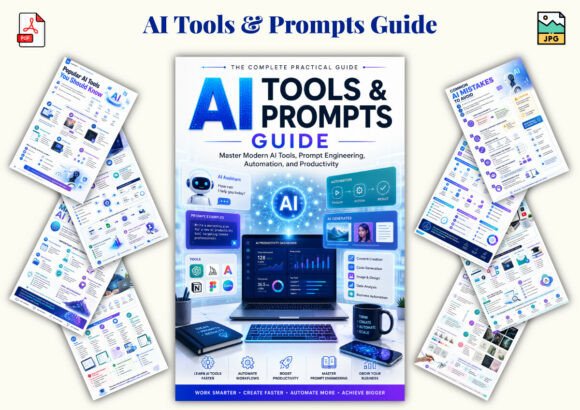
In today’s fast-evolving digital landscape, artificial intelligence (AI) is reshaping how we work, learn, and create. Whether you're a student exploring new learning methods, an entrepreneur seeking to automate workflows, or a content creator looking for innovative tools, understanding AI and its practical applications has become essential. The AI Tools Prompts Guide serves as a comprehensive educational resource designed to help users navigate the world of AI with confidence and clarity.
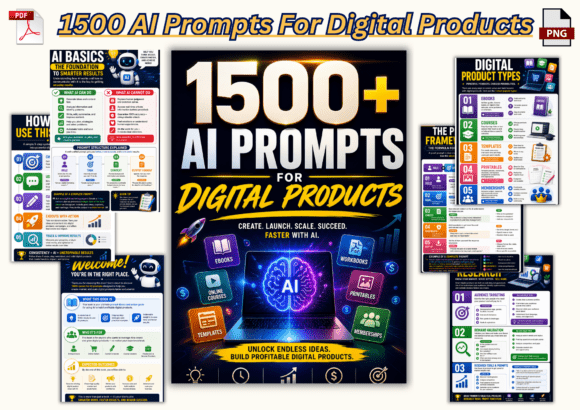
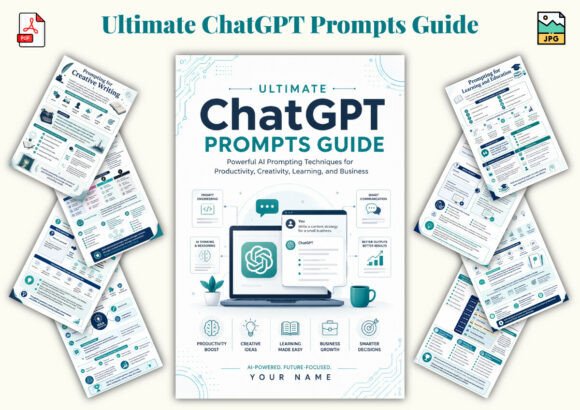
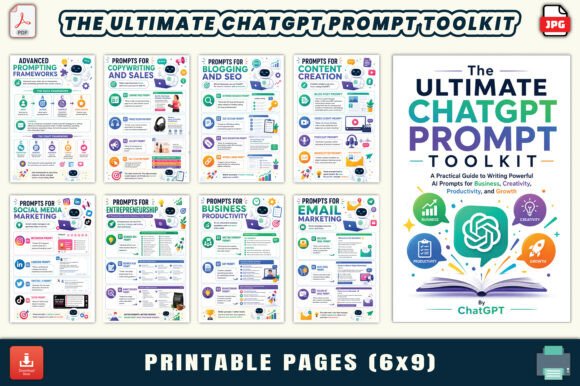
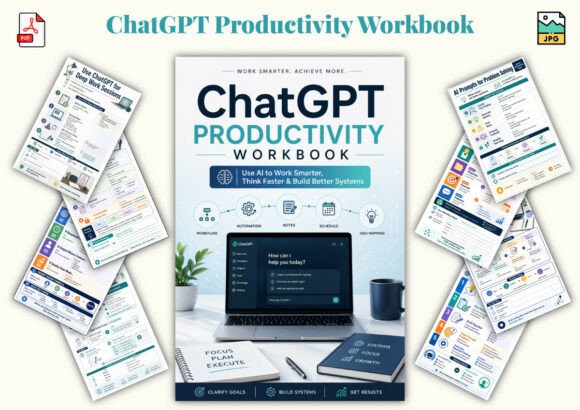
This 31-page guide is more than just a collection of information—it's a structured roadmap that simplifies complex AI concepts and provides actionable strategies for using AI effectively. With its modern, clean design and beginner-friendly approach, it caters to a wide range of users, from professionals to hobbyists, ensuring that everyone can find value in its content.
Understanding the Role of AI Tools Prompts Guide in Your Workflow
The AI Tools Prompts Guide is not just a reference manual; it's a tool that fits seamlessly into various stages of your workflow. Whether you're at the planning phase of a project, executing tasks, or evaluating outcomes, this guide offers insights and strategies tailored to each step.
Before starting any project, the guide helps you identify which AI tools are best suited for your needs. It walks you through the fundamentals of prompts—what they are, why they matter, and how to craft them effectively. This foundational knowledge ensures that you're not only choosing the right tools but also using them in the most efficient way possible.
During execution, the guide becomes a valuable companion. It provides examples of prompt templates and explains how to adapt them to different scenarios. For instance, if you're a marketer creating content, the guide offers specific prompts that can help generate engaging blog posts or social media updates. If you're a student, it provides prompts that can assist in research or essay writing.
After completing a task, the guide encourages reflection and optimization. It discusses how to evaluate the output of AI tools and refine your prompts for better results. This iterative process ensures continuous improvement and helps you stay ahead in a competitive environment.
Integrating AI Tools Prompts Guide with Other Resources
The AI Tools Prompts Guide doesn't exist in isolation. It complements other tools, platforms, and resources that are part of your daily workflow. When used alongside AI-powered platforms like ChatGPT, MidJourney, or Canva, the guide enhances your ability to leverage these technologies effectively.
For example, when using a content creation platform, having a well-crafted prompt can significantly impact the quality of the output. The guide teaches you how to structure your prompts to align with the capabilities of these platforms, ensuring that you get the most out of your interactions.
Moreover, the guide integrates well with productivity software such as Notion, Trello, or Asana. By incorporating AI prompts into your task management systems, you can streamline workflows, reduce manual effort, and maintain consistency across projects.
It's also beneficial to pair the guide with online courses or tutorials on AI. While the guide provides a solid foundation, additional learning resources can deepen your understanding and expand your skill set. This combination of theoretical knowledge and practical application ensures that you're equipped to handle real-world challenges.
Practical Implementation Tips and Workflow Examples
To make the most of the AI Tools Prompts Guide, consider implementing the following tips:
- Start with clear objectives: Before diving into AI tools, define what you want to achieve. This clarity will help you select the right prompts and tools for your goals.
- Experiment with different prompts: Use the guide's examples as a starting point but don't be afraid to tweak them. Experimentation is key to finding what works best for your specific needs.
- Track your progress: Keep a record of the prompts you use and the results you get. This data can help you refine your approach over time and identify patterns that lead to better outcomes.
- Stay updated: AI is a rapidly evolving field. Regularly check for updates to the guide and stay informed about new tools and techniques that can enhance your workflow.
Let's look at a few workflow examples where the guide can be particularly useful:
- Content Creation: A blogger preparing for a new article can use the guide to draft prompts that generate engaging headlines, outlines, and even full drafts. This not only saves time but also ensures that the content aligns with the desired tone and style.
- Business Planning: An entrepreneur developing a business plan can use prompts to analyze market trends, create marketing strategies, and generate financial projections. The guide provides a structured approach to integrating AI into strategic decision-making.
- Education: A teacher designing a curriculum can use prompts to develop interactive lesson plans, create quizzes, and generate personalized feedback for students. This enhances the learning experience and makes education more accessible.
Factors to Consider for Effective Use
While the AI Tools Prompts Guide is a powerful resource, several factors should be considered to ensure its effective use:
Preparation: Before using the guide, take some time to understand your needs and goals. This preparation will help you choose the right prompts and tools that align with your objectives.
Compatibility: Ensure that the AI tools you're using are compatible with the prompts provided in the guide. Some tools may require specific formats or structures, so it's important to check their documentation.
Usability: The guide is designed to be user-friendly, but it's still important to read through the instructions carefully. Understanding how to navigate the content and apply the prompts will maximize your benefits.
Organization: Keeping your prompts organized can save you time and prevent confusion. Consider using digital tools or notebooks to categorize your prompts based on their purpose or the type of task they're intended for.
Efficiency: The goal of using AI tools is to improve efficiency. Focus on prompts that streamline your workflow and reduce manual effort. Avoid overcomplicating things with unnecessary steps.
Consistency: Consistency is key to achieving reliable results. Use the same prompts for similar tasks whenever possible, and refine them based on your experiences and feedback.
Quality Control: While AI can generate impressive outputs, it's important to review and edit the results. The guide emphasizes the importance of human oversight to ensure that the final product meets your standards.
Long-Term Use: The guide is not a one-time resource. Revisit it regularly to refresh your knowledge and discover new prompts and strategies that can further enhance your workflow.
Conclusion
The AI Tools Prompts Guide is a versatile and valuable resource that empowers users to harness the power of AI in their personal and professional lives. Whether you're looking to improve productivity, enhance creativity, or streamline workflows, this guide provides the knowledge and tools needed to succeed in the digital age.
By integrating the guide into your routine and applying its principles thoughtfully, you can unlock new possibilities and achieve better outcomes. As AI continues to evolve, staying informed and adaptable will be crucial to leveraging its full potential. With the AI Tools Prompts Guide, you're well-equipped to navigate the future of technology and innovation.