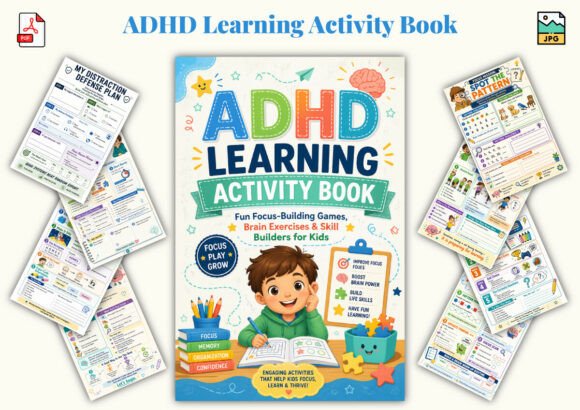
ADHD Learning Activity Book: A Strategic Tool for Focus, Memory, and Executive Skills Development
The ADHD Learning Activity Book is more than just a collection of worksheets—it's a carefully curated resource designed to support individuals with ADHD in building essential cognitive and emotional skills. This 31-page printable workbook combines interactive activities, brain-boosting exercises, and practical tools to help learners strengthen focus, improve memory, and develop executive functioning abilities. Whether used by parents, educators, or therapists, the ADHD Learning Activity Book provides a structured yet flexible approach to learning that aligns with the unique needs of active learners.
Understanding the Value of the ADHD Learning Activity Book
For adults and children who struggle with attention, memory, and task management, traditional learning methods can often fall short. The ADHD Learning Activity Book addresses these challenges by offering a variety of engaging activities tailored to the way ADHD brains process information. Each page is designed with intention, incorporating elements like puzzles, reflection prompts, and skill-building exercises that encourage active participation and meaningful learning.
One of the key advantages of this workbook is its adaptability. It can be used in multiple settings, including homeschool environments, occupational therapy sessions, or even as part of a daily routine at home. The clean 6 x 9 inch format ensures ease of use, while the content is structured to promote consistency and progress over time.
Strategic Use Cases for the ADHD Learning Activity Book
The ADHD Learning Activity Book can serve as a strategic tool across various domains. For instance, educators may integrate it into lesson plans to provide additional support for students with ADHD, helping them stay engaged and focused during class. Parents can use it as a supplement to schoolwork, reinforcing concepts in a fun and interactive way. Similarly, occupational therapists and counselors can leverage the workbook as part of a broader intervention plan aimed at improving self-regulation and problem-solving skills.
When considering how to use the ADHD Learning Activity Book, it's important to align its application with specific goals. For example, if the objective is to enhance concentration, focus on activities that involve sustained attention, such as tracking exercises or timed tasks. If the goal is to build memory skills, prioritize pages that include recall games or visual association tasks.
Planning and Implementation Strategies
Integrating the ADHD Learning Activity Book into a daily routine requires thoughtful planning. Start by identifying which areas need the most development—whether it's improving organizational skills, increasing attention span, or enhancing emotional regulation. Once the priority areas are clear, select relevant activities from the workbook and schedule them into a consistent routine.
A practical approach is to pair each activity with a specific time of day when the learner is most alert and receptive. For example, morning sessions could focus on brain warm-ups and focus-building exercises, while afternoons might be better suited for problem-solving activities or reflection pages. This structured yet flexible framework helps maintain engagement without overwhelming the learner.
It’s also crucial to consider the individual preferences and interests of the learner. Incorporating activities that align with their passions can significantly increase motivation and participation. For instance, if a child enjoys puzzles, using puzzle-based activities can make the learning process feel less like a chore and more like a game.
Risks of Using the ADHD Learning Activity Book Without Clear Goals
While the ADHD Learning Activity Book offers numerous benefits, its effectiveness depends on how it's used. One of the primary risks of relying on it without a clear strategy is the potential for inconsistent results. Without defined goals, learners may complete activities randomly, leading to minimal progress in the targeted skills.
Another risk is over-reliance on the workbook without integrating it into a broader educational or therapeutic plan. While the book is a valuable resource, it should be viewed as one component of a comprehensive approach to skill development. Combining it with other strategies, such as behavioral interventions or technology-based tools, can enhance its impact and ensure long-term success.
Maximizing Long-Term Results with Intentional Use
To achieve the best outcomes, the ADHD Learning Activity Book should be used intentionally rather than as a one-time solution. Establishing a routine that includes regular review and reflection can help track progress and identify areas that need further attention. Encouraging learners to set small, achievable goals for each session can foster a sense of accomplishment and motivation.
Additionally, involving caregivers or educators in the process can provide valuable feedback and support. Regular check-ins can help assess what’s working well and what may need adjustment. This collaborative approach ensures that the workbook remains a dynamic tool that evolves with the learner’s needs.
Conclusion: A Thoughtful Investment in Cognitive Development
The ADHD Learning Activity Book represents a thoughtful investment in cognitive development, offering a blend of practicality and playfulness that supports both children and adults with ADHD. By strategically selecting and implementing its activities, users can create a personalized learning experience that fosters growth, confidence, and long-term success. When used with intention and purpose, this workbook becomes more than just a resource—it becomes a foundation for meaningful change.