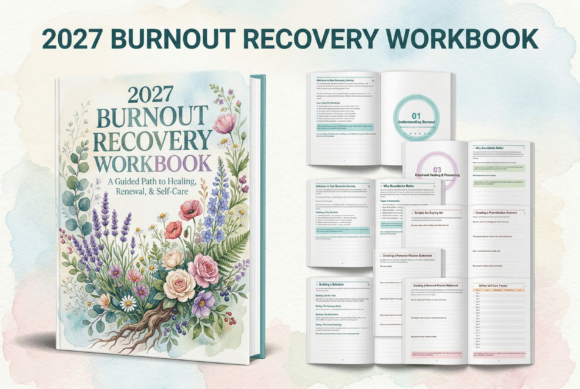
2027 Burnout Recovery Workbook: A Guided Path to Healing and Renewal
The 2027 Burnout Recovery Workbook is a comprehensive, science-based resource designed for individuals experiencing burnout. This 120-page guide offers a structured yet compassionate approach to recovery, focusing on emotional processing, boundary setting, and sustainable healing practices. It moves away from the traditional productivity mindset and instead emphasizes rest, self-compassion, and long-term well-being.
If you're feeling overwhelmed by chronic stress, exhausted from caregiving responsibilities, or simply depleted from daily life, this workbook provides practical tools to help you pause, reflect, and begin the journey toward renewal. Its content is organized into two main sections: understanding burnout and establishing protective boundaries.
What’s Inside the 2027 Burnout Recovery Workbook
The first section of the workbook focuses on understanding the physiological and psychological impact of chronic stress. It includes detailed information about the science of burnout, helping readers recognize how their bodies and minds respond to prolonged stress. This part also includes specific exercises for emotional processing, allowing individuals to name and release complex emotions such as resentment, grief, and frustration that often accompany burnout.
A key component of this section is learning about the stress cycle and practical techniques to complete it. By doing so, individuals can move out of survival mode and begin to heal in a more balanced way. These strategies are grounded in scientific research and offer actionable steps for managing stress responses effectively.
The second section of the workbook focuses on establishing protection space. It includes guidance on mastering the art of setting firm, guilt-free boundaries in both professional and personal contexts. Readers will find strategic exercises for work-life integration, which can be especially helpful for those struggling with the demands of modern work culture.
Why Someone Might Be Interested in the 2027 Burnout Recovery Workbook
Individuals who are interested in the 2027 Burnout Recovery Workbook may be dealing with various forms of burnout, including workplace stress, caregiver fatigue, or general emotional depletion. The workbook is particularly useful for people who feel stuck in a cycle of overwork and under-recovery, and who are looking for a structured but gentle path to healing.
This workbook is ideal for professionals seeking to regain control over their work-life balance, caregivers needing support in managing their own well-being, and anyone who has reached a breaking point and needs guidance on how to begin the recovery process. Its science-based approach makes it appealing to those who prefer evidence-backed solutions over vague advice.
Benefits and Considerations
The primary benefit of the 2027 Burnout Recovery Workbook is its focus on sustainable recovery. Unlike quick fixes or temporary solutions, this workbook encourages long-term habits that support mental and physical health. It also provides a safe space for emotional processing, which can be crucial for individuals who have been neglecting their emotional needs for an extended period.
However, there are some considerations to keep in mind. While the workbook is comprehensive, it may not be sufficient for individuals with severe mental health conditions such as depression or anxiety. In such cases, additional support from a healthcare professional may be necessary. Additionally, the workbook requires a commitment to regular practice and reflection, which may be challenging for some readers.
Another consideration is the workbook's format. While it is designed to be used independently, some readers may find it beneficial to pair it with other resources or therapy sessions for deeper healing. It is also important to note that the effectiveness of the workbook can vary based on individual circumstances and dedication to the process.
Situations Where This Workbook Is a Strong Fit
The 2027 Burnout Recovery Workbook is a strong fit for individuals who are experiencing mild to moderate burnout and are ready to take proactive steps toward recovery. It is particularly suitable for those who value a structured yet flexible approach to healing and who are willing to engage in regular self-reflection and practice.
This workbook is also well-suited for professionals in high-stress environments, such as healthcare workers, educators, and corporate employees, who may struggle with maintaining work-life balance. Caregivers, including those caring for children, elderly family members, or individuals with special needs, may also find this workbook helpful in managing their own well-being while fulfilling their caregiving roles.
Situations Where Alternatives May Be Worth Considering
While the 2027 Burnout Recovery Workbook is a valuable resource, there may be situations where alternative approaches are more appropriate. For example, individuals with severe burnout symptoms that significantly impact their daily functioning may benefit from more intensive interventions such as therapy, counseling, or medical treatment.
Additionally, those who prefer group settings or community support may find online forums, support groups, or coaching programs more effective than working through a workbook alone. It is also worth considering if the workbook's content aligns with one's personal values and goals. If the approach feels too rigid or lacks the flexibility needed for individual preferences, exploring other options may be beneficial.
Practical Decision-Making Insights
When deciding whether the 2027 Burnout Recovery Workbook is right for you, consider your current level of burnout, your willingness to commit to a structured recovery plan, and your access to additional support systems. If you are open to self-guided healing and are looking for a science-based approach to recovery, this workbook could be a great fit.
On the other hand, if you require more personalized guidance or are dealing with complex mental health challenges, it may be worth exploring other options alongside or in place of the workbook. Ultimately, the decision should be based on what aligns best with your unique needs, goals, and circumstances.