1200 Low Competition Digital Product Ideas for Creators and Entrepreneurs
In today’s digital marketplace, standing out can be a challenge. With so many products vying for attention, finding a niche that offers both profitability and minimal competition is essential. This is where the 1200 Low Competition Digital Product Ideas come into play. Designed to help creators, Etsy sellers, freelancers, and small business owners, this comprehensive bundle provides a wealth of inspiration for those looking to launch or expand their digital product businesses.
The 1200 Low Competition Digital Product Ideas are more than just a list—they are a strategic resource that empowers individuals to explore unique opportunities in the digital space. Whether you're an aspiring entrepreneur or an established creator, these ideas offer a roadmap to success by focusing on under-served markets and emerging trends.
Understanding the Value of Low Competition Digital Products
Digital products have become a cornerstone of modern entrepreneurship due to their scalability, low overhead costs, and global reach. However, with the rise of digital marketplaces, competition has also intensified. The key to long-term success lies in identifying niches with limited competition but high demand.
The 1200 Low Competition Digital Product Ideas are curated to help users navigate this landscape effectively. By focusing on specific themes and categories, these ideas allow creators to target audiences that may be underserved by mainstream offerings. For example, instead of competing with hundreds of generic planners, one could create a specialized planner for remote workers or freelancers who need tools tailored to their unique schedules.
This approach not only reduces direct competition but also increases the likelihood of customer loyalty and repeat purchases. When your product addresses a specific need, it becomes more valuable to your target audience.
Exploring the Categories and Themes
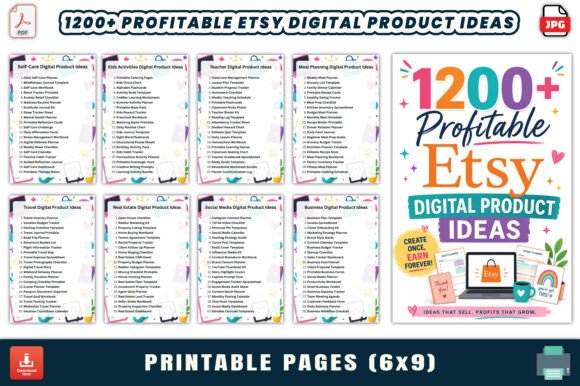
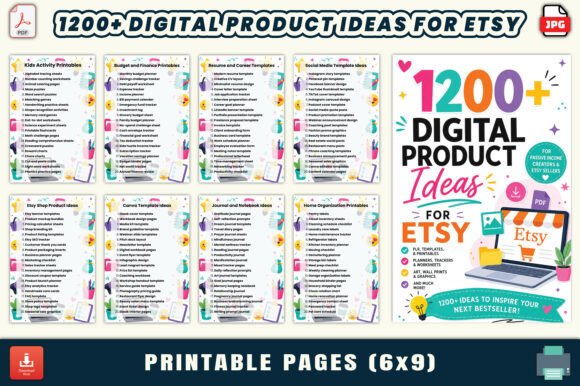
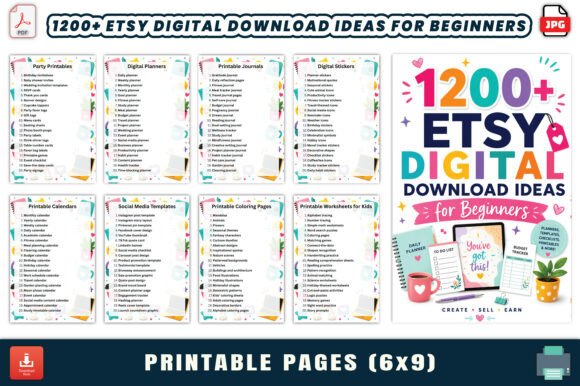
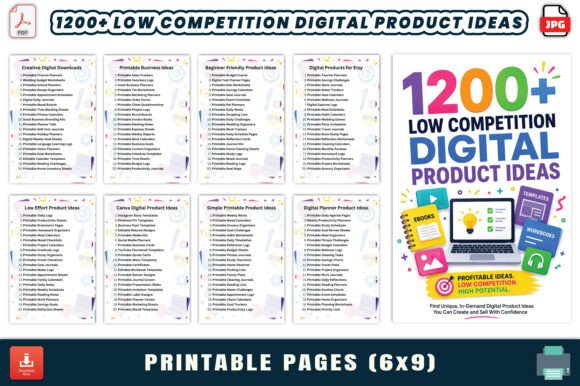
The 1200 Low Competition Digital Product Ideas are organized into various categories and themes, making it easy to find the right idea for your goals. Some of the most popular categories include:
- Printable Ideas: These range from calendars and planners to printable templates and worksheets. They are ideal for those looking to create downloadable content that adds value to their audience.
- Canva Template Ideas: Canva has revolutionized the way people design graphics, and there's a growing demand for customizable templates. These ideas can help you tap into this trend by offering pre-designed templates that users can personalize easily.
- Planner Ideas: With the rise of productivity culture, planners remain a popular choice. From weekly planners to goal-setting templates, there's a wide array of possibilities within this category.
- Business Product Ideas: These include everything from branding guides to social media strategies. As more entrepreneurs start their own businesses, the demand for practical tools continues to grow.
- Digital Bundle Ideas: Bundling multiple products together can increase perceived value and encourage customers to purchase more. This is particularly effective when targeting niche audiences with specific needs.
By exploring these categories, you can identify which areas align best with your skills, interests, and resources. Each category offers a unique set of opportunities, allowing you to choose the path that suits you best.
Practical Applications and Real-World Examples
The 1200 Low Competition Digital Product Ideas are not just theoretical—they have real-world applications that have helped many creators achieve success. For instance, consider a freelance graphic designer who uses these ideas to develop a series of Canva templates tailored for small businesses. By focusing on a niche audience, they can differentiate themselves from larger competitors and build a loyal customer base.
Another example is a teacher who creates educational printables for homeschooling parents. These materials can be sold as digital downloads, providing a steady stream of passive income while addressing a specific need in the market. The key is to identify a problem and offer a solution that others haven’t yet addressed.
These examples highlight how the 1200 Low Competition Digital Product Ideas can be applied across different industries and professions. Whether you're an educator, a freelancer, or a small business owner, there's something here that can help you succeed.
Considerations for Success
While the 1200 Low Competition Digital Product Ideas provide a solid foundation, there are several factors to consider when launching a new product. First and foremost, understanding your target audience is crucial. Who are they? What do they need? What problems do they face? Answering these questions will help you create a product that truly resonates with them.
Next, conducting market research is essential. Even if a product idea seems promising, it's important to validate it before investing significant time and resources. Tools like Google Trends, keyword research platforms, and competitor analysis can provide valuable insights into market demand and competition levels.
Finally, building a strong brand and marketing strategy is key to standing out in a crowded marketplace. A well-defined brand identity, combined with targeted marketing efforts, can help you attract and retain customers over time.
By taking these steps, you can maximize the potential of the 1200 Low Competition Digital Product Ideas and turn them into profitable ventures.
Conclusion
The 1200 Low Competition Digital Product Ideas offer a powerful resource for anyone looking to enter or expand their digital product business. By focusing on under-served markets and leveraging the right tools and strategies, creators can build successful ventures that provide long-term value and passive income.
Whether you're an experienced entrepreneur or just starting out, these ideas can help you discover new opportunities and achieve your goals. With careful planning, market research, and execution, the possibilities are endless.